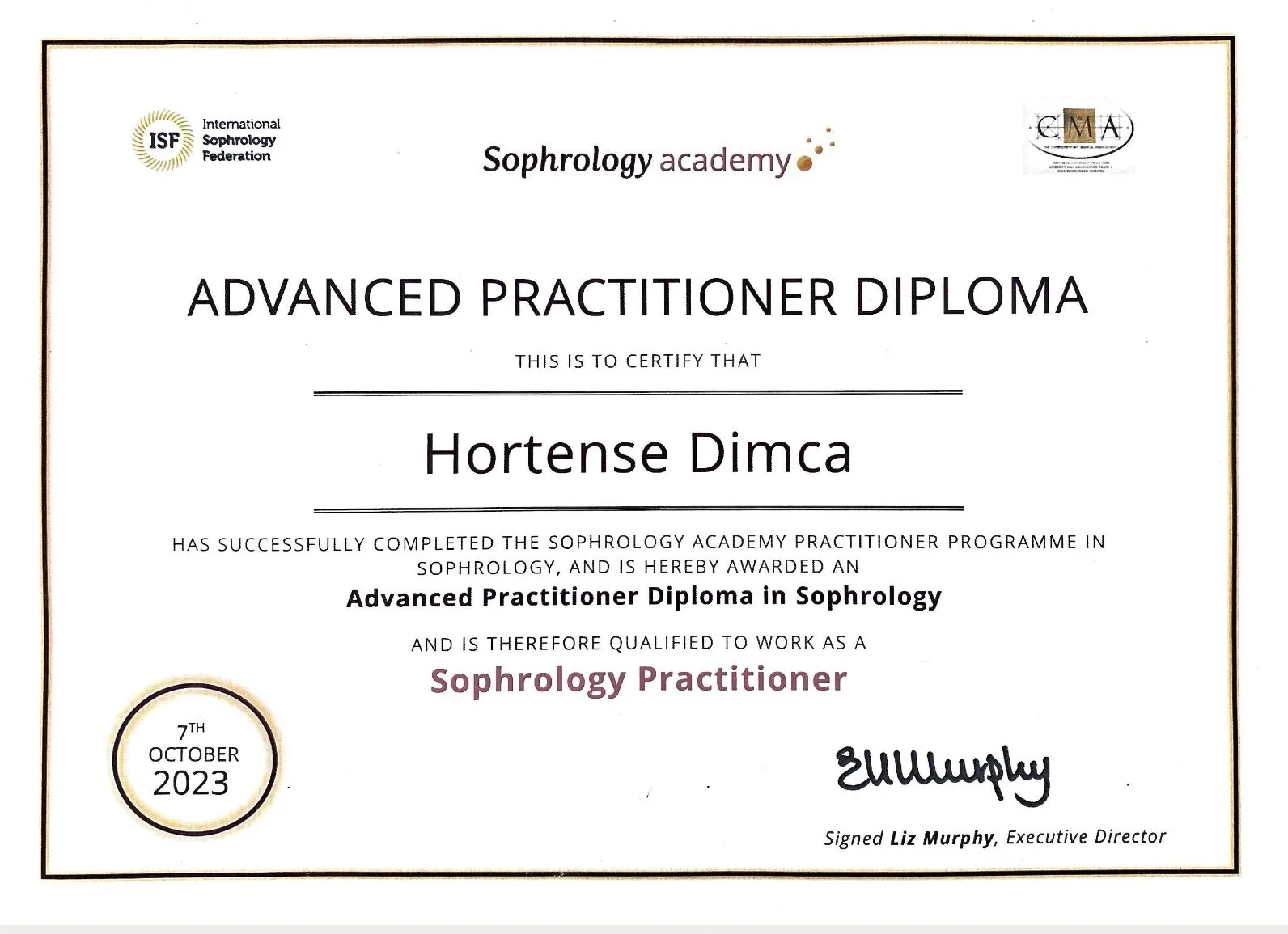
Visualisation, a powerful tool to create a new positive reality
Sophrology combines movements and breathing exercises to activate the powerful force of visualisation.

Everything You Need to Know
How Does Sophrology Create Ecological Transformation?
In Sophrology, dynamic relaxation progressively alters the state of consciousness, guiding the client into a specific level of awareness where bodily perception is fully activated and the mind becomes clear and receptive.
When this specific state alters state is reached — where sensory awareness and mental clarity meet — deep transformation can unfold through embodied visualization.
In other words, neuro-physiologically the brain and body experience imagery as if it were truly happening.
This is what makes Sophrology unique: it supports change equally at both the brain and body levels.
Why Does Sophrology Support Lasting Changes?
Research shows that the Reticular Activating System (RAS) — the brain’s filter for what we notice and respond to — cannot clearly distinguish between real events and vividly imagined ones. This means that when you visualise something, your brain responds as if it were truly happening.
In Sophrology, guided imagery uses this natural mechanism to plant and strengthen positive scenarios. With repetition, these mental images create new neural pathways—just like walking the same trail through tall grass eventually forms a clear path.
This process, known as neuroplasticity, allows the brain and body to adopt new patterns of confidence, calm, and clarity. It is one of the reasons Sophrology leads to lasting, embodied transformation.

Why choose Sophrology?
You want to improve your life without directly revisiting past traumas.
Sophrology focuses on strengthening resources, resilience, and forward-looking change, without requiring you to reopen difficult memories.You don’t want to lose control of your body.
In Sophrology, you remain fully conscious and in control at all times. You are guided, but you stay the active participant in the process.You don’t like stillness or long silence.
Sophrology uses dynamic relaxation—gentle, simple movements combined with short moments of quietness. You are never asked to stay still for long periods.You want to stay independent from the therapist.
With Sophrology, you are not dependent on the therapist - you become the active creator of your own transformation, allowing your inner imagery to unfold by itself.By using relaxation techniques rather than induction tools, Sophrology empowers you with practical tools instead of making you reliant on a therapist.
You want tools for life.
Sophrology offers adaptable, practical strategies you can use in any situation—at work, at home, during stressful events, or before important moments.
How Sophrology was born ?
In 1960, Alfonso Caycedo was a renowned neuropsychiatrist with a deeply humanistic vision. He sought to develop a method that could support the majority of his patients while helping them become more independent in their healing process.
This mission must be understood in the context of his time. Caycedo worked in mental institutions and hospitals where mental health care often relied on heavy medication and psychiatric treatments, leaving patients highly dependent on their therapists’ prescriptions.
Experiencing this context first-hand, Caycedo wanted to find a way to improve people’s mental health as quickly as possible, with lasting results, while offering them greater independence in their healing process.
Drawing on his background in neuroscience, he expanded his knowledge during a long journey of study and practice in Asia.
He succeeded in recreating the states achieved through traditional practices—often requiring long periods on a mat or extended meditation—by combining specific sequences of gentle movements, breathing exercises, and visualisations. Sophrology was born, designed to be practised in short, accessible formats, making it suitable for clinical environments.
The method was so innovative that some of Caycedo’s peers began applying it beyond the medical field, particularly to enhance sports performance. When Sophrology was introduced to Swiss athletes by Dr Raymond Abrezol, it became part of their mental preparation and was associated with remarkable sporting success, including over 200 Olympic medals.
This marked the moment when Sophrology became popular in Europe, both within the medical field and across various other disciplines.
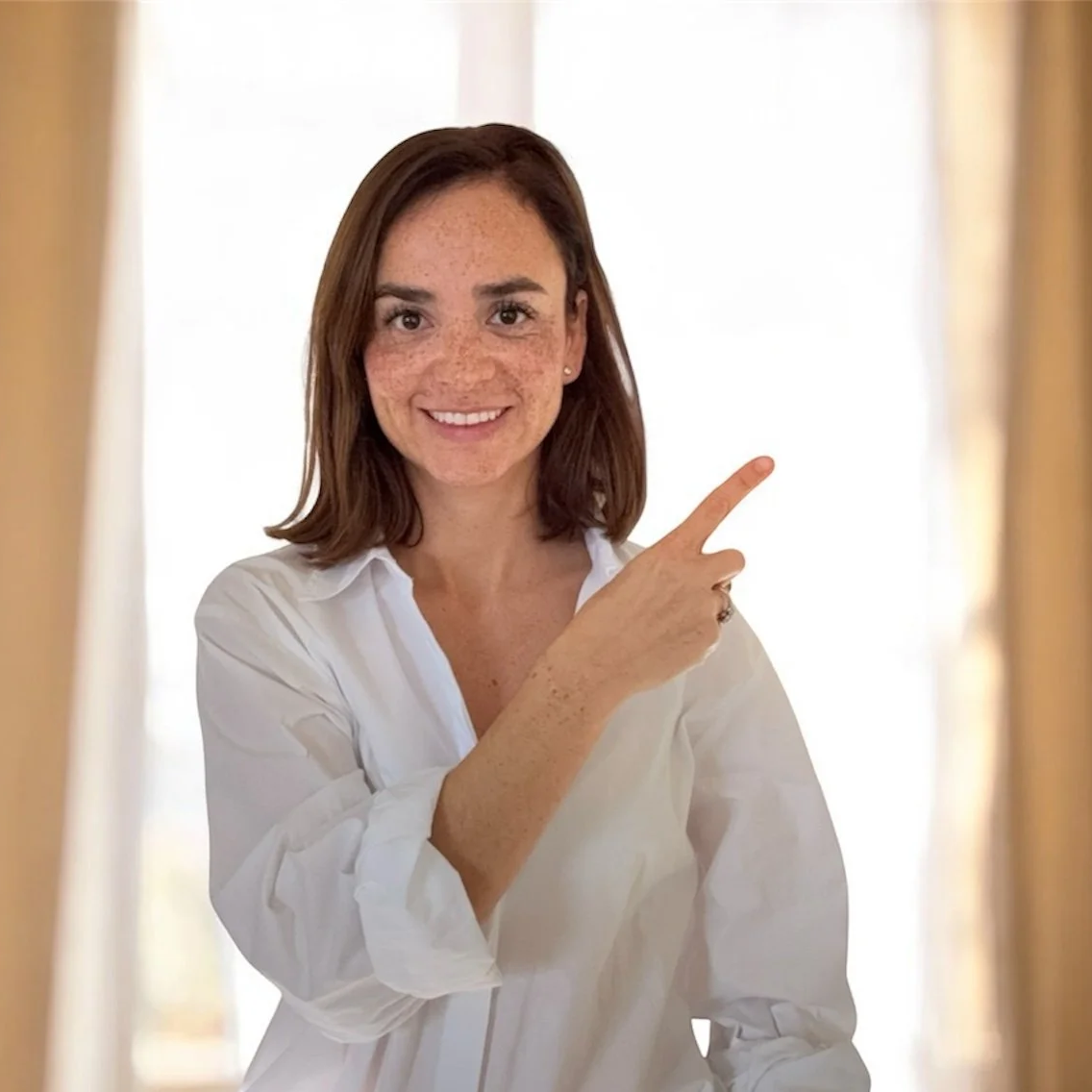
Qualification & Accreditation